
Welcome to Butterfly Conservation Warwickshire
The Warwickshire branch of Butterfly Conservation works in partnership with land owners, local authorities, conservation bodies, businesses and the local community to raise awareness about the threats facing our butterflies, moths, their habitats and our natural environment. We provide advice and practical help on how to protect these and other threatened wildlife in the region. We challenge local authorities and business to ensure they consider the natural world upon which we all depend when making decisions about planning applications and land use.
Several butterflies in the region such as the Small Blue, Wood White and Dark Green Fritillary are particularly vulnerable due to habitat loss and population fragmentation resulting in small isolated colonies which become increasingly susceptible to local or regional extinction.
Warwickshire also hosts a wide variety of moths including species such as Sciota hostilis which is found nowhere else in the country.
Become a member today and help us save butterflies, moths and their habitats in Warwickshire, Coventry and Solihull. The branch currently has 580* members. (*Updated 08-07-2020).
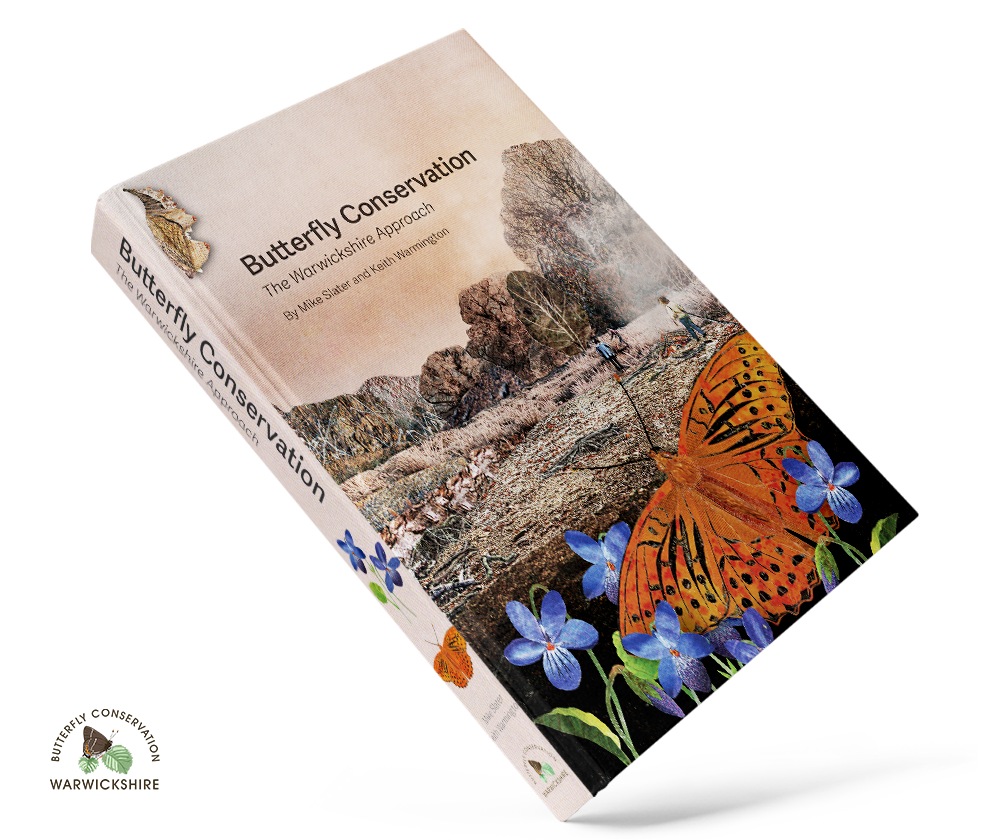
Butterfly Conservation
The Warwickshire Approach
This book documents, celebrates and shares the many successes the Warwickshire Branch of Butterfly Conservation has had in conserving our rarer butterflies over the past 25 years. It is a manual of techniques, tips and ideas that will help and hopefully inspire others to create and manage habitats and to conserve butterflies.
In addition, the book outlines the fieldcraft that is required to provide the best chance of finding adult butterflies and their immature stages, provides tips on how to identify the difficult species and suggests how to get the maximum enjoyment from your butterfly encounters.
To order your copy, please visit the NHBS website.
This book is dedicated to the memory of Phil Pain (1923-2014). A passionate Warwickshire naturalist and butterfly enthusiast whose generous legacy has enabled this book to be published.
- Authors: Mike Slater, Keith Warmington
- ISBN: 9781399941518
- Format: Hardback
- Content: 428 pages, colour photos and illustrations
- Published: December 2022
- Published by: Butterfly Conservation Warwickshire
- Printed by: Gomer Press

Returning the Chalk Hill Blue to Warwickshire
The Chalk Hill Blue has not been a resident species in Warwickshire since the 19th century but in recent years, individual butterflies have been sighted in the south of the county. Conservation measures in neighbouring Gloucestershire and Oxfordshire have enabled the Chalk Hill Blue to recover some of its former range, meaning that colonies are now found very close to the Warwickshire border.
This innovative project will restore the threatened Chalk Hill Blue butterfly to Warwickshire after an absence of over 100 years.


Events 2024
5th June 2024
at Fineshade wood, Northamptonshire with Chequered skipper project staff
Egg search masterclass and butterfly walk
8th June 2024
at Ryton Pools Country Park with Ben Coleman
First Sightings 2024
12-05-2024 Small Heath
10-05-2024 Common Blue
07-05-2024 Small Copper
06-05-2024 Brown Argus
04-05-2024 Small Blue
04-05-2024 Dingy Skipper
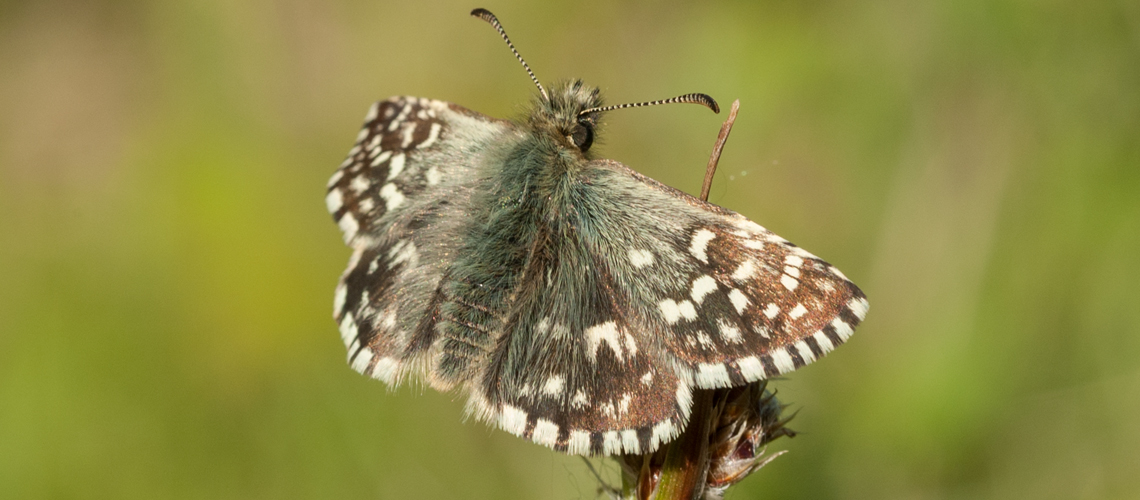
19-04-2024 Grizzled Skipper
14-04-2024 Green Hairstreak
01-04-2024 Holly Blue
30-03-2024 Green Veined White
26-03-2024 Small White
25-03-2024 Orange Tip
23-03-2024 Large White
22-03-2024 Speckled Wood
04-03-2024 Comma
15-02-2024 Painted Lady
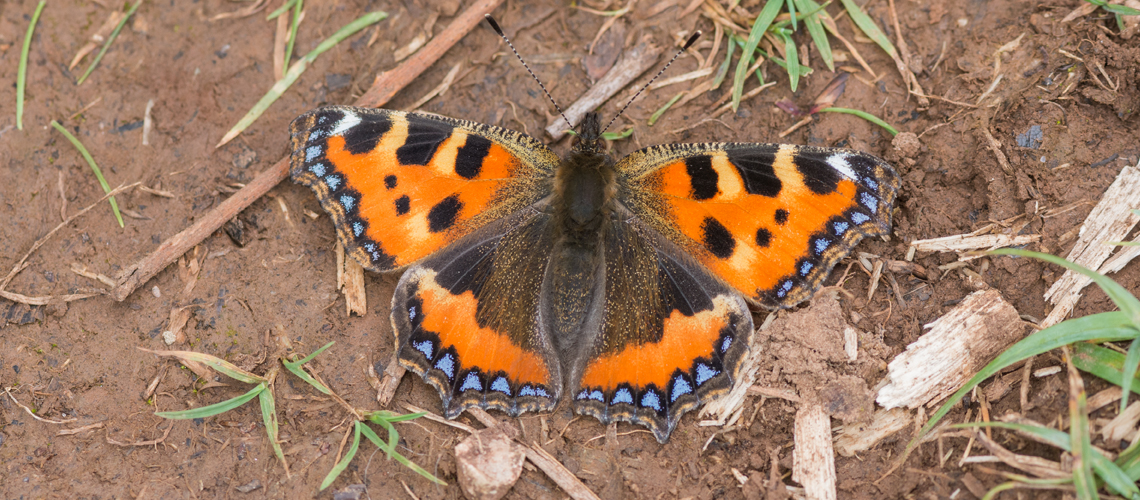
12-02-2024 Small Tortoiseshell
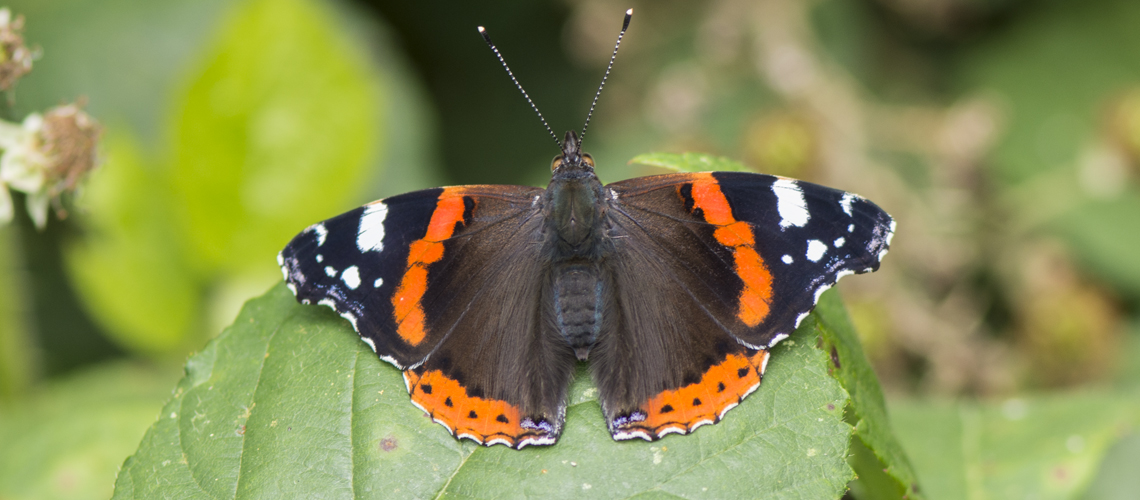
01-02-2024 Red Admiral
31-01-2024 Brimstone
26-01-2024 Peacock
Latest Records
Please note: From February 2023 all sightings records should be submitted via the iRecord Butterflies app available via the iTunes or Google Store. Find out more here: iRecord at Butterfly Conservation.
02-01-2023 at Grove Rd, Knowle by L Brace.
28-12-2022 at Ryton Pools Park, Bubbenhall by Tara Higgs.
26-11-2022 at Bubbenhall wood by Helen Cormack.
25-11-2022 at Bedworth Arts Centre by Eleanor Sutton.
12-11-2022 at Miners Welfare Park, Bedworth by Eleanor Sutton.
12-11-2022 at CBS Arena by John Coakley.
12-11-2022 at Grove Rd, Knowle by L Brace.
11-11-2022 at Epwell by Mike Slater.
08-11-2022 at Newbold Quarry Park by Phil Parr.
08-11-2022 at Newbold Quarry by Richard Beswick.
On the wing in May
Latest News
New three-year conservation project in the midlands
3rd June 2021
A new three-year conservation project, which aims to reverse the declines of spec... more2020 hailed as a 'good' year for butterflies
31st March 2021
2020 hailed as a 'good' year for butterflies - but conservation scientists warn t... moreHoly Grail of moth recording reappears in Britain
26th September 2019
Numerous recent sightings of a moth that became extinct in the UK in the 1960s, s... moreMORE NEWSMediterranean Blue Butterfly Invades Britain
29th August 2019
Climate change is causing a striking butterfly from southern Europe to appear in ... more
Amazing Volunteers
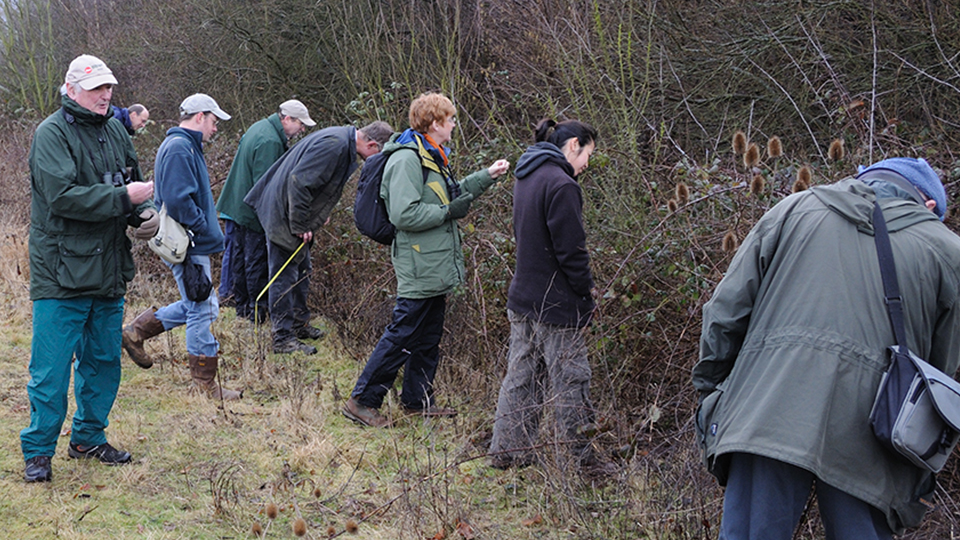
VOLUNTEERThanks to our amazing volunteer butterfly recorders here in Warwickshire, we recieved a total of 36,200 records in 2018 from 582 of our 620 tetrads (2km2). This represents an amazing 94% coverage of our region with an average of 11.5 species recorded per tetrad.
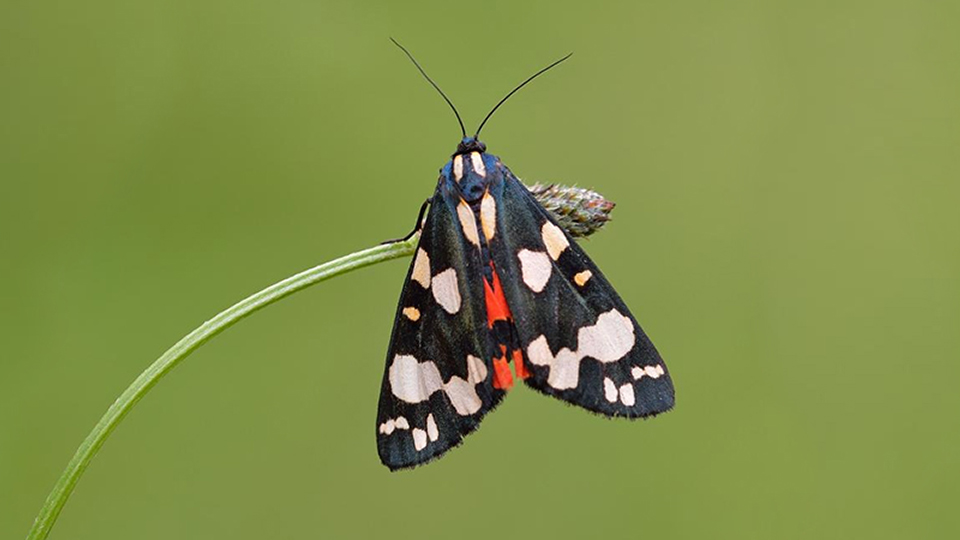
Watch Out For Tigers
SCARLET TIGERThe Scarlet Tiger (Callimorpha dominula) had a fantastic year in 2018. Record numbers of larvae were noted in the spring. Surprisingly larvae were found feeding on Wych Elm beside the car park at Charlecote Nursery, a new larval foodplant for Scarlet Tiger in the UK (M. Halsey, D.C.G. Brown).